
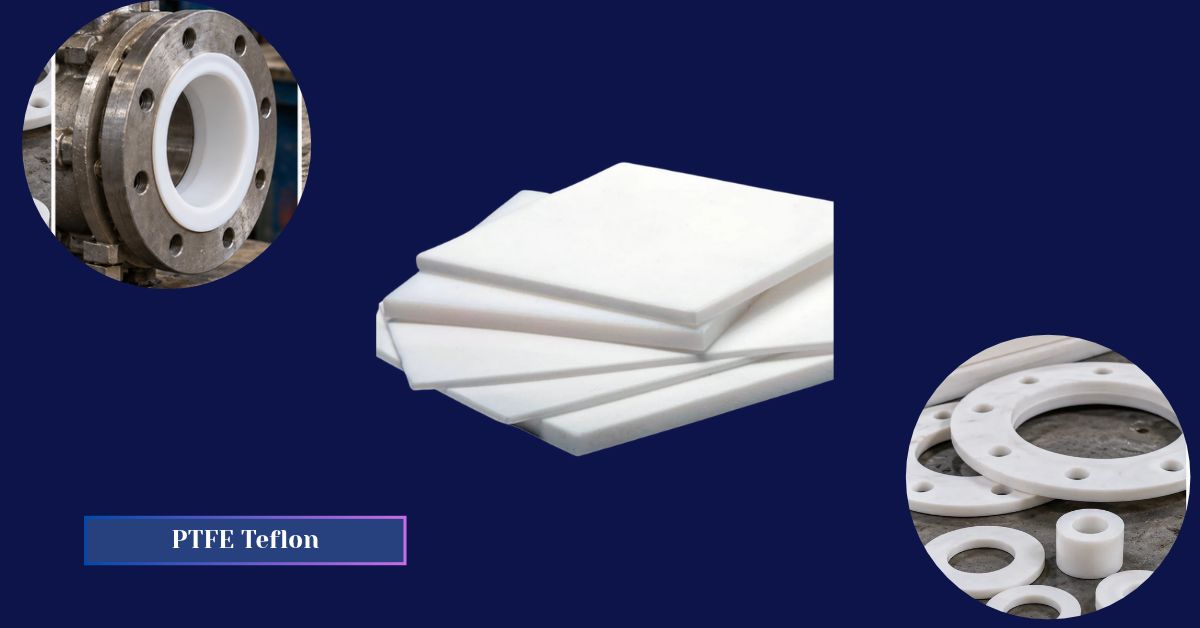
Teflon (PTFE) Components for Oil & Gas: Corrosion Resistance in Aggressive Media
Ask any plant manager in oil and gas what keeps them up at night, and corrosion will come up. It’s slow, it’s quiet, and it’s expensive. By the time you spot it, a valve is leaking, or a seal has given out. In the UAE and the wider Middle East, the heat, salty air, and sour gas only speed things up.
Teflon (PTFE) parts are one way to fight back. PTFE is a tough plastic that most chemicals can’t touch. With the right grade in the right spot, it keeps equipment sealed and working for years.
Material Wear Is a Constant Problem in Harsh Oil and Gas Conditions
Think about what flows through an oil and gas pipeline every day. Crude oil, gas mixed with water, salty water, and treatment chemicals all pass through pumps and valves. Some of these substances are acidic, while others contain hydrogen sulfide, a gas that can damage metals. This puts constant pressure on the equipment.
Small parts are often the first to wear out. Rubber seals can swell and start leaking, while moisture can cause small holes to form in steel flanges. If a gasket fails, the pipeline may need to be shut down for repairs. In the Gulf region, high temperatures, blowing sand, and humid air can make these problems worse. This can lead to more repairs, higher costs, and delays in daily operations.
The Chemical Resistance That Sets PTFE Teflon Apart
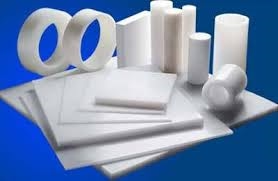
PTFE Teflon has near-universal chemical resistance. Its strong carbon-fluorine bonds make it very hard for chemicals to attack. Here is what that means in the field:
- Resists acids, alkalis, and solvents: It stays stable in most of the harsh fluids used in drilling, refining, and transport.
- Does not rust: Unlike metal, it does not pit or flake when exposed to moisture and salt.
- Non-stick surface: Oil and other materials do not stick easily to PTFE, making cleaning easier.
- Low friction: Its smooth surface helps moving parts slide more easily and reduces wear.
- Wide temperature range: PTFE Teflon can work across a wide temperature range, depending on the application and operating conditions.
- Stable over time: It does not swell or soften in most fluids the way rubber can.
Common PTFE Teflon Components in Oil and Gas Operations
PTFE Teflon shows up in many parts of an oil and gas plant. The table below lists the most common components and why they work well.
| Component | Where It Is Used | Why PTFE Works |
| Gaskets | Pipe flanges, pumps, heat exchangers | Seals tightly against corrosive fluids and heat |
| Valve seats | Ball and plug valves | Low friction and strong chemical resistance |
| Seals and packing | Pumps and valve stems | Resists chemicals; spring-energized types handle high pressure |
| Linings | Pipes, valves, and tanks | Protects metal from corrosive media |
| Tubing | Chemical injection and instrument lines | Smooth, inert, and unaffected by most chemicals |
| Bearings and bushings | Moving equipment | Filled grades add wear resistance |
Can PTFE Teflon Handle the Heat and Pressure of Oil and Gas Operations?
Yes, with some care. PTFE Teflon works continuously from about -200°C to 260°C, so it can handle both very cold liquefied gas and hot process lines. Pressure is where it needs more attention. Pure PTFE is soft, and under constant load it can slowly squeeze out of shape. This is called cold flow, or creep. In a bolted flange, it can make the seal loosen over time.
A better option is filled PTFE Teflon, which contains materials such as glass fiber, carbon, or bronze. These materials help PTFE resist wear and warp while keeping much of its chemical resistance. For moving parts that work under high pressure, spring-loaded PTFE Teflon seals may be a better choice.
Before placing an order, share the working pressure, temperature, and fluid type with your supplier so they can choose the right material.
The Right PTFE Teflon Component Makes the Difference in Corrosion Resistance
Corrosion resistance is only part of the picture. The right grade and design matter just as much. When you want to select the correct component, check out this list.
- List every chemical the part will touch, including cleaning agents.
- Match the part to your highest and lowest operating conditions.
- Virgin PTFE Teflon suits general chemical use, while filled grades suit high load and wear.
- Static parts like gaskets and moving parts like seals need different designs.
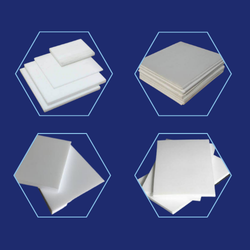
- Make sure you know the dimensions and thickness, and ask if custom sizes are available or not.
- Also, look for technical advice, samples, and clear documentation.
FAQs
PTFE Teflon can resist almost all chemicals, but molten alkali metals, fluorine gas, and chlorine trifluoride can damage it.
PTFE Teflon works continuously from about -200°C to 260°C. Check the exact rating for your grade with your supplier.
Virgin PTFE is pure and has the best chemical resistance. Filled PTFE has added glass, carbon, or bronze to resist wear and creep.
Rubber can swell, harden, or crack in harsh chemicals and heat. PTFE Teflon stays stable in most of these conditions.
Yes. PTFE Teflon parts can be made in different shapes and sizes to fit your equipment. Share your measurements and how you plan to use them to get the right fit.
Conclusion
PTFE Teflon helps protect oil and gas equipment from corrosion. It can handle many harsh chemicals, temperature changes, and regular wear. This helps seals, gaskets, and linings last longer. However, choosing the right type of PTFE Teflon is important because pure PTFE can slowly change shape under high pressure.
At Avicos Plastic, we supply PTFE Teflon components across the UAE and the wider Middle East. If you need help choosing the right size or type for your needs, our team is ready to help. Get in touch today for a quote or expert advice.