What are Nylon Sheets?
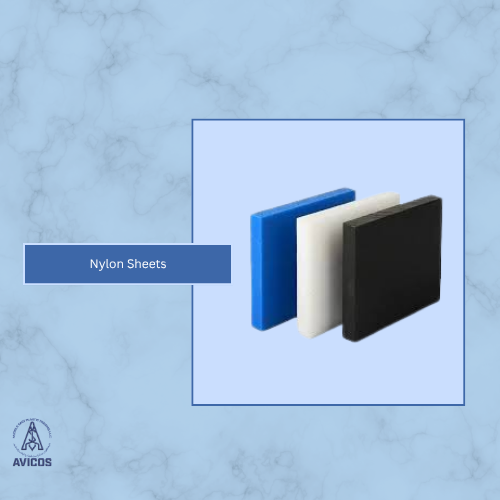
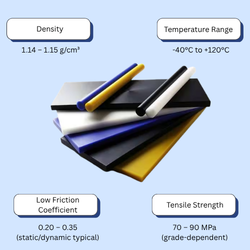
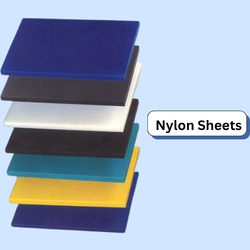
Nylon sheets, crafted from high-performance polyamide polymers like Nylon 6 and Nylon 66, represent the gold standard in engineering thermoplastics for demanding mechanical environments. These semi-crystalline materials combine exceptional tensile strength, superior impact resistance, and inherent self-lubrication to create lightweight, corrosion-proof alternatives to bronze, steel, and aluminum in gears, bearings, and structural components.
Renowned for their fatigue endurance under cyclic loading and precision machinability, nylon sheets enable fabricators to produce tight-tolerance parts that reduce noise, vibration, and maintenance costs in continuous operation.
Applications
Nylon sheets are machined into gears, bearings, wear pads, sprockets, bushings, and conveyor guides for UAE industries, including manufacturing, oil & gas, automotive, marine, construction, and material handling equipment. They reduce friction and wear in moving parts while handling heat, vibration, chemicals, and heavy loads with minimal maintenance in Dubai factories, Sharjah workshops, and GCC projects.
How to Use Nylon Sheets?
Unlock nylon’s full potential with these field-tested fabrication and installation protocols for maximum service life.
- Choose Nylon 6 for high-impact toughness (e.g., hammer mill liners) or Nylon 66 for maximum stiffness (precision gears); opt for oil-filled grades in unlubricated, high-PV applications.
- Run carbide tools at 400–800 m/min surface speed, 0.1–0.3 mm/rev feed, with compressed air coolant to avoid built-up edge and achieve mirror finishes.
- Design 0.8–1.2% oversize clearances accounting for equilibrium moisture absorption; pre-condition parts at 50% RH for stable fits.
- Mount on flat, grit-free surfaces using low-stress fasteners (torque to 50% max rating); pair with hardened steel/bronze mates for optimal wear couples.
- Apply light petroleum grease to sliding surfaces for the first 10 hours, then run dry nylon transfers the lubricant film to mates for permanent low friction.
- Measure wear depth quarterly; replace at 20% thickness loss. Clean with mild alkaline detergents; avoid steam/chemical stripping.
Safety Guidelines
Engineered safety ensures nylon components protect workers and equipment throughout their lifecycle.
- Operate within -40°C to +120°C temperature limits
- Avoid strong acids (HCl, H2SO4) and hot alkaline cleaners
- Use dust extraction, safety goggles, and N95 masks during machining
- Apply 1.5–2x safety margins on load ratings
- Inspect gears/bearings every 6 months for wear/cracks
- Store sheets flat at 15–25°C, 40–60% RH, away from rubber/greases
Check out our other superior quality Nylon Products.