
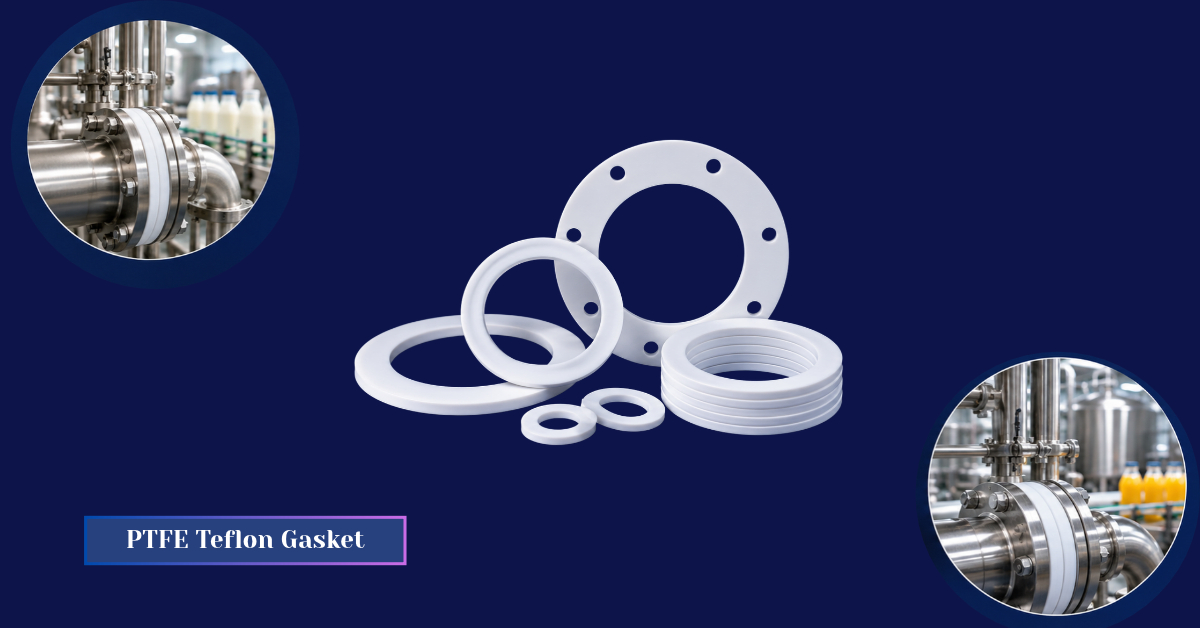
Using PTFE Teflon Gaskets in Food and Beverage Processing: Hygiene and Safety Requirements
Food and beverage plants have to stay clean. Even a small gasket can affect how safe the product is. If a gasket is worn or damaged, it can leak, hold bacteria, or spoil the food. The longer a plant runs, the bigger that risk gets.
That is why many plants in the UAE and the wider Middle East use PTFE Teflon gaskets for food processing.PTFE resists chemicals and high heat, and food does not stick to its slick surface, so it rinses clean. As dairy, beverage, and packaged food businesses grow in the region, plants need gaskets that meet strict hygiene rules. A good gasket means fewer shutdowns, safer food, and easier audits.
Why Gaskets Have a Difficult Job in Food Plants
Gaskets work hard in a food plant. Machines run for many hours a day, and the gaskets sit inside pipes, valves, pumps, and tanks, touching food the whole time. After each batch, they get washed with hot water, steam, and strong cleaners.
Sudden temperature changes make the job even tougher. One gasket might go from a freezing cold room to a hot pasteurizer in the same shift. Weak materials can crack, harden, swell, or fall apart. Even a tiny crack can trap bits of food, and that is where bacteria start to grow.
The heat in the UAE and the Middle East adds more pressure. When it is very hot outside, cooling systems and machines have to work harder. Gaskets need to stay stable in these hot, changing conditions, so picking one that lasts is the first step toward a safe plant.
How PTFE Gaskets Help Meet Hygiene Requirements
Hygiene is a top priority for every food and beverage plant, and gaskets are part of that. They touch the product, get cleaned repeatedly and are closely inspected during audits. A gasket that is hard to clean or wears out quickly can put an entire batch at risk.
- Non-stick surface: Food, sugar, and fat do not cling to PTFE, so cleaning is faster and more thorough.
- Non-porous material: The gasket does not soak up liquids, which helps stop odors, residue, and bacteria from building up.
- Chemical resistance: It stays stable when exposed to strong cleaning agents and sanitizers.
- No flavor or odor transfer: PTFE does not react with most foods and drinks, so product taste stays pure.
- Heat tolerance: It handles hot water and steam cleaning without cracking or breaking down.
- Long service life: A gasket that lasts longer means fewer replacements and less risk of contamination during changeovers.
The Connection Between Gasket Selection and Food Safety
A gasket may look like a minor part, but it plays a direct role in food safety. It sits at every joint where food, liquids, or steam pass through equipment. If the gasket fails, it can affect the whole process.
The wrong material can cause several problems. It may absorb food or cleaning liquids, which leaves behind residue and odors. It may also break down and release small particles into the product. Rough or damaged surfaces can trap bacteria, and a loose seal can let outside contaminants in.
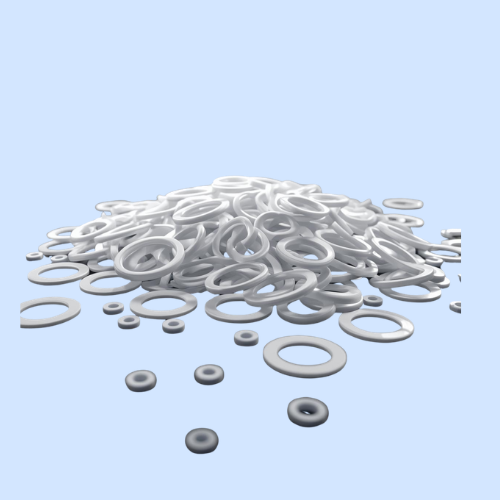
PTFE Teflon gaskets help avoid these risks. The material is non-porous and chemically stable, so it does not soak up liquids or react with most foods and cleaning agents. This makes it easier to keep the line clean and the product pure.
Choosing the right gasket is not only about preventing leaks. It protects your customers, your brand, and your ability to pass hygiene audits.
Cleaning, Heat, and Chemicals: What Gaskets Must Withstand
Every day, gaskets in a food plant face a mix of heat, cold, and harsh cleaning products. Each condition can wear down a weak material in a different way. The table below shows the main challenges and how PTFE Teflon gaskets handle them.
| Condition | What the Gasket Faces | How PTFE Performs |
| Hot water and steam cleaning | Repeated exposure to high heat during sanitizing | Stays stable at high temperatures without melting, cracking, or hardening |
| Cold storage and chilling | Sudden drops in temperature | Keeps its shape and sealing ability in low temperatures |
| Strong cleaning chemicals | Acids, alkalis, and sanitizers used between batches | Resists most chemicals and does not break down or swell |
| Fats, oils, and sugars | Sticky residue that clings to surfaces | Non-stick surface lets residue wipe away easily |
| Pressure and constant use | Long hours of compression in pumps, valves, and pipes | Seals well under pressure, though pure PTFE can slowly lose thickness over time (called cold flow) |
| Frequent cleaning cycles | Daily wear from washing and sanitizing | Smooth surface resists wear and stays easy to clean |
Common Gasket Problems That Can Affect Food Safety
A gasket problem rarely announces itself, often starting as a small leak or minor wear that goes unnoticed during a busy shift. Over time, these issues can lead to contamination, wasted product, or a failed audit.
- Wrong material choice: A gasket that cannot handle the product, heat, or cleaning chemicals may swell, harden, or break down.
- Leaks and weak seals: A poor fit or worn gasket can let product escape and allow outside contaminants to enter.
- Residue buildup: Rough or damaged surfaces trap food particles, which gives bacteria a place to develop.
- Cracking and shedding: Aging or overheating can crack gaskets and release small pieces into the product.
- Odor and flavor transfer: Some materials soak up liquids and can pass tastes or smells to the next batch.
- Poor installation: If the bolts are tightened unevenly or the gasket is the wrong size, gaps can form, and the pressure will not be even.
- Skipped inspections: A worn gasket that is not replaced on time can fail without warning.
What Food Manufacturers Should Check Before Choosing a Gasket
Picking the right gasket takes a little planning, and a few simple checks can prevent costly problems later. Before you place an order with any supplier in the UAE or the wider Middle East, start with the material itself. Not all PTFE is the same, so ask for virgin or food-grade PTFE and get written confirmation from your supplier. Request the certificates and test reports that match the food-safety standards your plant follows, since auditors may ask for proof that the gasket is safe for food contact.
Next, think about the conditions the gasket will face. Make sure it can handle your hottest cleaning cycle and your coldest storage. Check that it works with your cleaning chemicals and the food you make. If the line runs under high pressure, ask about filled or modified PTFE, because pure PTFE can slowly get thinner over time.
Finally, check the size and the support you will get. Confirm the flange size and gasket thickness, and ask if the supplier can cut gaskets to order. A good supplier will also offer samples, quick delivery, and helpful advice. Taking time to check these things now saves money, cuts downtime, and helps your plant pass audits.
FAQs
Yes, if they are made from virgin or food-grade PTFE. It is safe around food; it does not soak up liquids, and it does not react with most foods. Ask your supplier for written proof that the gasket meets the standards your plant follows.
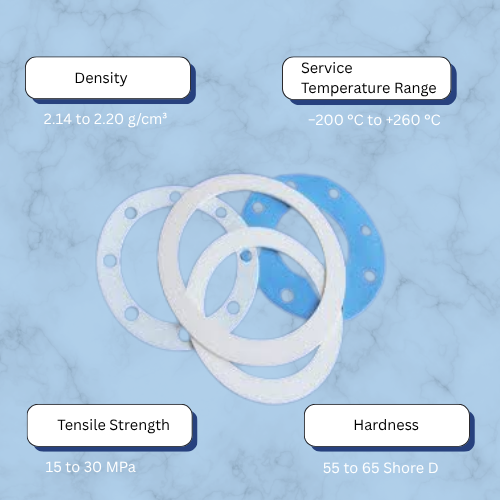
PTFE gaskets generally handle a wide range, from very low temperatures up to around 260°C (500°F). This makes them suitable for both hot steam cleaning and cold storage. Check the exact rating with your supplier for your specific grade.
Yes. PTFE holds up well against most acids, alkalis, and sanitizers. It does not swell, go soft, or fall apart when you clean it again and again, so the gasket lasts longer and stays clean.
There is no single schedule, since it depends on pressure, temperature, and cleaning frequency. The best approach is to inspect gaskets regularly and replace any that look worn, cracked, or flattened, or that leak.
Yes, PTFE gaskets can be cut to fit different flange sizes and equipment. Share your dimensions and application with your supplier to get the right fit and thickness.
Conclusion
A gasket is a small part, but food safety depends on it. Leaks, bacteria, and flavor transfer often start at a worn seal. When a gasket is easy to clean, handles heat, and does not break down around harsh chemicals, your team can get on with production.
That is the reason PTFE Teflon gaskets are used in so many food plants across the UAE and the wider Middle East. They cope with steam cleaning, cold rooms, and daily washdowns without much fuss.
Avicos Plastic supplies PTFE Teflon gaskets in standard and custom sizes for food and beverage makers in the region. Not sure which grade or size suits your equipment? Our team can help, from choosing the right gasket to delivery. Contact us today for a quote.