
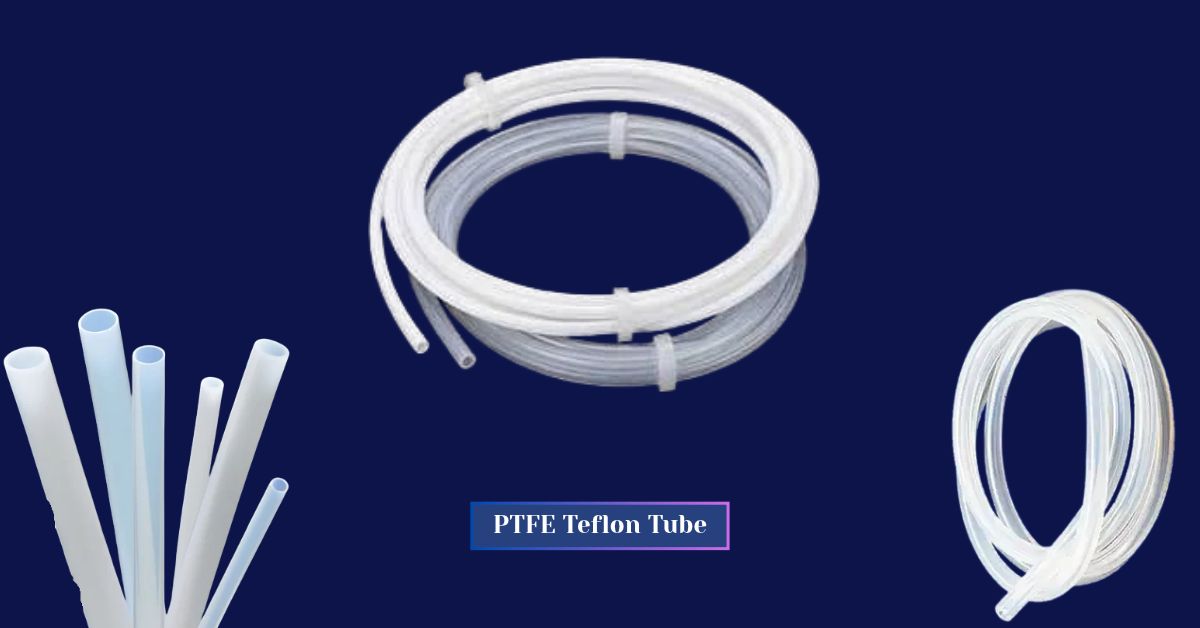
Teflon Tubing in Medical and Pharmaceutical Equipment: Benefits and Regulatory Considerations
Medical and pharmaceutical equipment needs materials that can perform reliably. The fluids and chemicals used in these systems need tubing that will not react with them, break down at high temperatures, or increase the risk of contamination. Even a small issue with the tubing can affect the entire process. This is why Teflon tubing is commonly used in medical and pharmaceutical equipment. It offers good chemical resistance, has a smooth surface, and can handle demanding operating conditions.
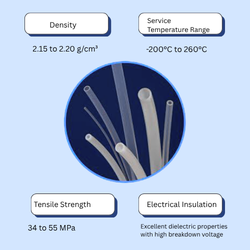
PTFE tubing can be used continuously across a wide temperature range, from about -70°F to 500°F. Its smooth, non-reactive surface also helps reduce the risk of particles and prevents it from easily absorbing the fluids passing through it.
Choosing the right tubing is not only about performance. For medical and pharmaceutical use, it is also important to check the relevant FDA and ISO requirements and make sure the material meets the needs of the application.
Why is PTFE Teflon Tubing Used in Medical and Pharmaceutical Equipment?
Medical and pharmaceutical settings can’t afford surprises. Fluids need to stay pure, processes need to stay sterile, and the tubing carrying it all has to behave the same way every single time. PTFE Teflon tubing does that job well. It won’t react with chemicals, it holds up through sterilisation, and it stays stable across hot and cold conditions alike.
PTFE is different from many standard plastics because it is highly resistant to chemical interaction with the fluids flowing through it. This is especially important where fluid purity and patient safety matter. That is why PTFE tubing is often used in medical devices, laboratory equipment, and pharmaceutical processing systems.
Key Benefits of PTFE Teflon Tubing
PTFE Teflon tubing offers a specific set of properties that make it well suited to medical and pharmaceutical use. A few stand out as the most important.
- Chemical Resistance: Resists nearly all acids, solvents, and cleaning agents without reacting or degrading, which protects fluid purity.
- Smooth, Low-Friction Surface: Reduces buildup and residue inside the tubing, supporting consistent, unpolluted fluid flow.
- Temperature Resistance: It performs safely across a wide range, including the heat involved in sterilisation processes
- Low Moisture Absorption: Does not absorb water, helping the tubing maintain its properties and performance in humid or wet environments.
Common Uses of PTFE Tubing in Medical and Pharmaceutical Equipment
PTFE tubing shows up across several parts of medical and pharmaceutical operations, each relying on a different combination of its properties.
| Use | How PTFE Tubing Is Used |
| Fluid and chemical transfer | Moves aggressive chemicals, reagents, and sterile fluids without reacting or contaminating the flow |
| Laboratory and analytical equipment | Connects sensitive instruments and equipment where purity and consistent performance are critical |
| Process and instrumentation systems | Supports pharmaceutical processing lines and monitoring equipment that require chemical resistance and dimensional stability |
Cleanability and Sterilisation Considerations
PTFE tubing holds up well through common sterilisation methods used in medical and pharmaceutical settings, including autoclaving, steam sterilisation, and chemical sterilants. Since it tolerates high heat, it can go through repeated sterilisation cycles without breaking down or losing its properties.
The material’s smooth, non-porous surface also makes it easy to clean. PTFE Teflon Tube does not absorb fluids or let residue build up, so it’s less likely to trap bacteria between uses. That’s a real advantage for equipment that gets sterilised and reused often.
Regulatory Considerations for PTFE Teflon Tubing
Sourcing PTFE tubing for medical or pharmaceutical use means checking a few regulatory boxes before it goes into any device or process.
- FDA and material requirements — Medical-grade PTFE tubing should meet FDA requirements for materials used in medical devices, confirmed through the supplier’s material certification
- Biocompatibility and ISO 10993 — Tubing that contacts patients or biological fluids should be tested to ISO 10993 standards, which assess biocompatibility for safety
- Documentation and traceability — Reliable suppliers provide batch documentation and traceability records, so the material’s origin and compliance can be verified when needed
What to Consider When Using PTFE Tubing?
Choosing the right PTFE tubing for a medical or pharmaceutical application depends on a few practical factors:
- Grade — Confirm whether medical-grade or pharmaceutical-grade PTFE tubing is required for the specific application
- Dimensions — Match inner diameter, outer diameter, and wall thickness to the equipment or process it will connect to
- Chemical exposure — Check that the tubing will hold up against the exact fluids or chemicals it will carry
- Sterilisation method — Confirm the tubing is compatible with the sterilisation process used in your facility
- Certification — Request documentation confirming FDA compliance, biocompatibility testing, and traceability before buying them.
PTFE Teflon Tubing in the UAE and Middle East
Hospitals, diagnostic labs, and pharmaceutical manufacturers across the UAE and Middle East all need the same basic thing: materials they can trust to work every time. PTFE Teflon tubing delivers that, and as the region’s healthcare and life sciences sector grows, more facilities are choosing it for everything from fluid transfer lines to lab equipment.
What separates a good supplier from an average one usually comes down to paperwork and precision. Can they hand over certification that proves the tubing meets FDA or ISO 10993 standards? Can they cut it to the exact dimensions a piece of equipment calls for? Those questions matter more in this industry than almost any other, and they’re worth asking before placing an order.
FAQs
PTFE tubing is available in a range of inner diameters, outer diameters, and wall thicknesses, with custom sizing available for equipment that requires a specific fit.
PTFE resists chemicals and heat better than most standard plastics, doesn’t leach into the fluids it carries, and holds up to repeated sterilisation, making it a more reliable choice for pharmaceutical use.
PTFE tubing intended for medical use is often tested to ISO 10993 standards, which assess biocompatibility for materials that contact the body or biological fluids.
Yes. PTFE tubing holds up well across common sterilisation methods, including autoclaving and steam sterilisation, without breaking down or losing its properties.
Conclusion
Medical and pharmaceutical equipment needs materials that can work safely under challenging conditions. PTFE Teflon tubing resists many chemicals, can handle sterilisation, and provides reliable performance. This makes it a useful choice for fluid transfer, laboratory equipment, and pharmaceutical systems.
Also check the required regulations before using PTFE tubing in these industries. Make sure the material meets the relevant FDA requirements, ISO 10993 requirements, and has the necessary documentation.
At Avicos Plastic, we supply PTFE Teflon tubing in standard and custom sizes across the UAE and the Middle East. Contact our team to discuss the right size, grade, and specifications for your needs.