
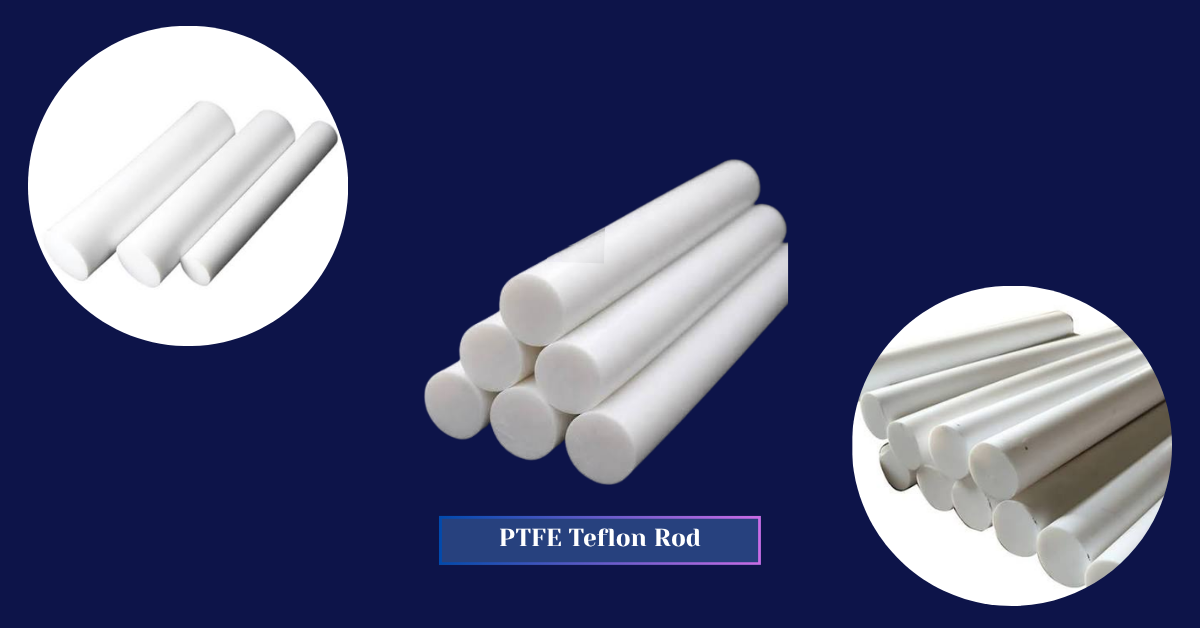
How PTFE Teflon Rods Improve Performance in Valve, Pump, and Bearing Design
Valves, pumps, and bearings all depend on components that can manage constant motion, friction, and harsh operating conditions. A material that diminishes easily or reacts with the wrong chemical can shut down an entire system. PTFE Teflon Rods have become a common solution for these challenges; they provide a combination of low friction, chemical resistance, and durability that few other materials can match.
From valve stems that need to move smoothly under pressure to bearings that run for years without seizing, PTFE rods quietly solve problems that metals and standard plastics usually can’t handle on their own.
What Makes PTFE Rods Different From Conventional Materials?
Most conventional materials used in valves, pumps, and bearings come with concessions. Metals can corrode over time. Rubber can break down under heat or chemical exposure. Many plastics wear out faster under constant friction.
PTFE Teflon rods avoid most of these problems at once. Here are fw properties that explain what makes Teflon rods different from conventional materials.
| Property | Why It Matters |
| Chemical resistance | Resists nearly all industrial acids, solvents, and bases without breaking down |
| Low friction | Naturally smooth surface reduces wear on moving parts |
| Temperature tolerance | Performs reliably across a wide range, from extreme cold to high heat |
| Non-stick surface | Resists buildup, which helps maintain consistent performance over time |
| Dimensional stability | Holds its shape well under sustained pressure or load |
PTFE Rods in Valve Design
PTFE rods play a role in several valve components, mainly by cutting down friction and improving how well a valve seals.
Reducing Friction in Valve Components
Valve stems, seats, and other moving parts can benefit from PTFE’s low friction. This helps the valve open and close more smoothly with less force. Also, it helps reduce wear on the surrounding components, which helps them last over time.
Improving Chemical Resistance and Sealing
PTFE Teflon rods can resist many chemicals that valves come into contact with. They do not corrode or break down easily, which helps them perform well where metal or rubber parts may wear out.
PTFE also seals well when compressed, helping valves maintain a tight seal even in harsh operating conditions.
PTFE Rods in Pump Design
Pumps rely on components that can move smoothly and resist wear over long operating cycles, both areas where PTFE Teflon rods perform well.
Supports Smooth Movement
PTFE’s low friction allows pump components to move more easily, with less resistance. This can reduce the energy needed to run the pump and help it operate smoothly.
Reduces Wear and Maintenance
PTFE parts resist wear during pump operation. They usually last longer than many standard plastic parts and can hold up better than metal parts that are not protected. As a result, they may need less frequent replacement, saving time and reducing maintenance costs.
PTFE Teflon Rods in Bearing Design
Bearings need smooth movement with as little friction as possible, especially in conditions where other materials can wear out quickly.
Low-Friction Movement
PTFE Teflon rods have a smooth surface that helps reduce friction between moving parts. This allows bearings to move more easily and with less resistance, which is useful for equipment that runs for long periods.
Performance Under Harsh Conditions
Bearings exposed to chemicals, moisture, or extreme temperatures benefit from PTFE’s resistance to all three. Unlike other metals or standard plastics, PTFE Teflon rods maintain their properties even in harsh environments, which helps bearings last longer between replacements.
How PTFE Teflon Rods Help Reduce Friction and Wear
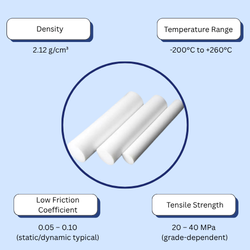
Teflon rods have a very low coefficient of friction, usually around 0.05 to 0.10. This means parts made from PTFE rods can move against each other with less resistance than many metal and plastic parts.
Lower friction means less wear. When parts rub or slide with less resistance, they build up less heat and damage less over time. This is why PTFE Teflon rods, whether virgin or filled with glass or carbon for extra strength, are a common choice for parts that stay in constant motion, like bushings, bearings, and sliding valve components.
Filled PTFE rods take this a step further in high-load situations, offering better wear resistance and mechanical strength than virgin PTFE, without giving up much of the material’s natural low-friction advantage.
When PTFE Rods Offer a Performance Advantage
PTFE Teflon rods produce the most value when an application involves one or more of the following conditions:
- When components contact acids, solvents, or other aggressive chemicals that would corrode metal or degrade rubber.
- Bushings, bearings, and sliding parts that need consistent low-friction performance over long operating cycles.
- Equipment that runs across a wide temperature range, from very cold to very hot conditions.
- Applications where reducing wear helps cut down on replacement frequency and downtime.
- Components where non-conductive material matters alongside mechanical performance.
- Parts that need to hold their shape and size under sustained pressure or load.
FAQs
PTFE Teflon rods are used to make components for valves, pumps, and bearings, along with bushings, seals, and other parts that need low friction and strong chemical resistance.
PTFE Teflon rods reduce friction, resist wear, and hold up against the chemicals many valves and pumps come into contact with, which helps these components move smoothly and last longer.
Yes. PTFE Teflon rods maintain their shape and sealing performance under constant pressure, which makes them a reliable choice for valve and pump components in high pressure operating conditions.
Yes. PTFE Teflon rods withstand chemicals, moisture, and a huge range of temperatures, which makes them a reliable choice for bearings that operate in demanding environments.
You can find PTFE Teflon rods from suppliers across the UAE and the Middle East, with both standard and custom-machined sizes available for valve, pump, and bearing applications.
Conclusion
PTFE Teflon rods can perform well in conditions where other materials may wear out or collapse. They provide low friction, good chemical resistance, and reliable performance in valves, pumps, and bearings. Whether it is used in a valve stem that requires smooth movement or a bearing that handles continuous use, virgin and filled PTFE Teflon rods can provide a reliable option for changing industrial equipment.
Choosing the right grade and machined specification matters just as much as the material itself. At Avicos Plastic, we supply PTFE Teflon rods in standard and custom sizes across the UAE and the wider Middle East. Get in touch with our team for guidance on the right fit for your valve, pump, or bearing application.