
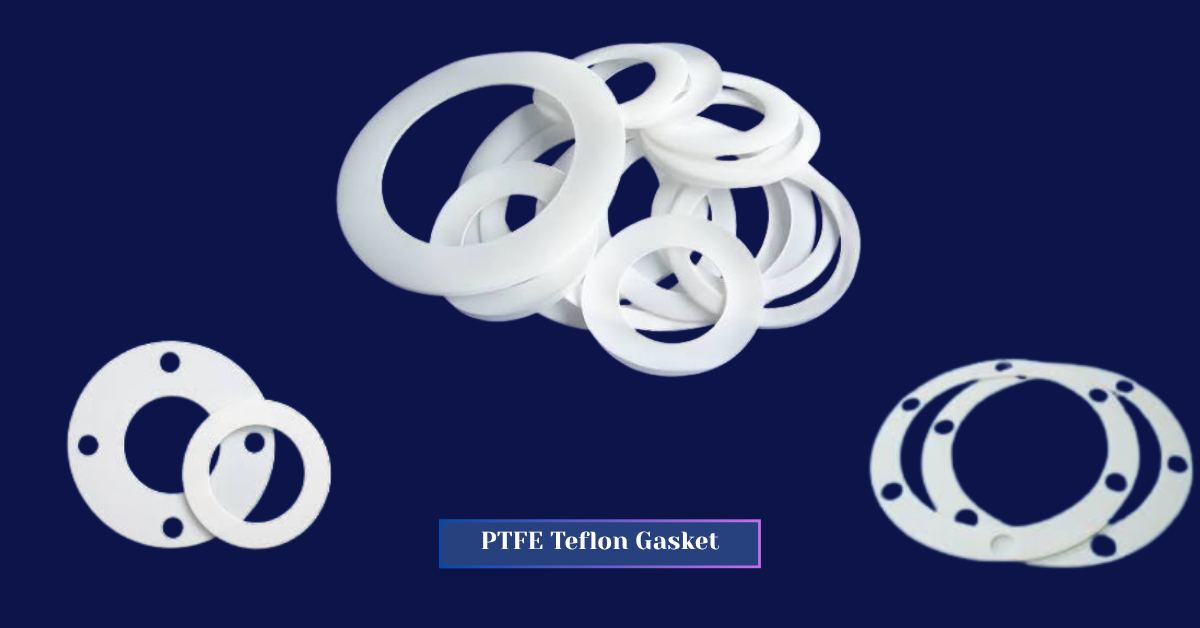
PTFE Teflon Gaskets: Design Considerations for Leak Free Sealing in Harsh Environments
A gasket may be a small part of a system, but choosing the wrong one can cause serious problems. In harsh industrial conditions, equipment may be exposed to strong chemicals, high temperatures, or high pressure. Even a small leak can result in downtime, safety issues, or expensive repairs.
PTFE Teflon gaskets are a common choice for these tough conditions, and for good reason. But picking the right one takes more than choosing PTFE as the material. Thickness, chemical exposure, temperature, and flange condition all affect how well a gasket seals once it’s installed. Get these details right, and a PTFE gasket can perform reliably for years.
Why PTFE Teflon Gaskets Are Used in Harsh Environments
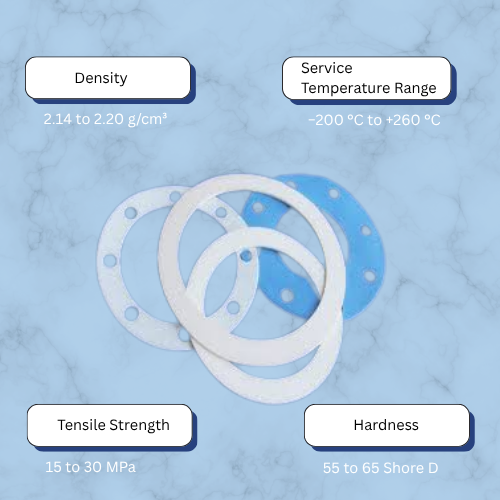
PTFE can perform well in conditions where many other gasket materials may break down or wear out. This makes it a popular choice for sealing in demanding environments. Some of its main properties include:
- Chemical resistance — Resists nearly all industrial acids, solvents, and bases, making it suitable for aggressive chemical environments.
- Temperature resistance — Performs faithfully across a wide range, from extreme cold to high heat, without losing its sealing properties.
- Low friction — A naturally smooth surface reduces wear during installation and removal.
- Non-stick surface — Prevents the gasket from bonding to flange surfaces over time, which makes replacement easier.
- Moisture resistance — Does not absorb water, so it holds its shape and performance in humid or wet conditions.
- Reliable sealing performance — Compresses well under load, helping maintain a tight seal even under pressure.
Key Design Considerations for PTFE Teflon Gaskets
Four key factors decide whether a seal stays leak-free. Check out each of them, which is covered below.
Gasket Thickness and Dimensions
Thickness directly affects how well a gasket fills the gap between two flange surfaces. A gasket that’s too thin may not compress enough to seal properly, while one that’s too thick can compress unevenly under load. Dimensions matter just as much; a gasket cut to the wrong size can leave gaps or overlap awkwardly at the flange edge, both of which risk a leak.
Temperature and Pressure
Temperature and pressure both affect how well a gasket performs once it’s installed. High heat can cause a gasket to swell or lose its grip over time. High pressure can force weaker material right out of the joint. And a gasket with the wrong pressure rating may leak whenever pressure or temperature shifts.
Chemical Compatibility
PTFE doesn’t react the same way to every chemical. It resists most acids and solvents, but it’s still worth checking the exact chemicals a gasket will face. This matters even more in processes that mix several substances or run at high temperatures, since heat can sometimes make a chemical’s effect on a seal stronger.
Surface Finish and Flange Condition
A gasket can only perform as well as the surface it seals against. Flanges with pitting, corrosion, or an uneven surface finish make it harder for any gasket to form a tight seal, no matter how well the gasket itself is specified. Checking flange condition before installation helps avoid leaks that have nothing to do with the gasket material itself.
Virgin PTFE Teflon vs. Filled PTFE Teflon Gaskets
Not every gasket needs the same grade of PTFE. The table below shows when each option makes sense.
| Factor | Virgin PTFE Teflon | Filled PTFE Teflon |
|---|---|---|
| Chemical resistance | Excellent, the purest form of PTFE | Excellent, though fillers can slightly reduce it |
| Mechanical strength | Moderate, softer under load | Higher, handles heavier loads better |
| Creep resistance | Moderate, can deform under sustained pressure | Better, holds shape over time |
| Wear resistance | Good under normal use | Higher, better suited to repeated stress |
| Best suited for | Chemical purity, food-grade or pharmaceutical use | High-load, high-wear, or long-term sealing applications |
Virgin PTFE works well when chemical purity matters most, such as in food-grade or
pharmaceutical settings. Filled PTFE, reinforced with glass or carbon, is often the better choice when a gasket needs to resist wear, hold up under heavier mechanical loads, or maintain its shape over time. For a closer look at how carbon filler changes PTFE’s performance, see our guide on carbon-filled PTFE rods.
Common Applications of PTFE Teflon Gaskets in the Middle East
PTFE Teflon gaskets are used across several key industries in the region, each relying on different strengths of the material.
Oil and Gas
PTFE gaskets seal flanges, valves, and pipe connections that handle high pressure and corrosive fluids, making them a common choice across upstream and downstream oil and gas operations.
Chemical and Petrochemical Processing
PTFE gaskets give joints a stable, chemical-resistant seal that holds up even under constant exposure to harsh acids, solvents, and high-temperature processes.
Water Treatment and Desalination
PTFE Teflon gaskets stand up to saline water and chemical exposure in pumps, valves, and pipeline connections, making them well-suited to the water treatment and desalination infrastructure growing across the GCC.
Industrial Manufacturing
Machinery and equipment operating under continuous mechanical stress use PTFE Teflon gaskets to maintain a reliable seal over long operating cycles.
Common Mistakes When Choosing PTFE Teflon Gaskets
A few common missteps can undo even a well-planned gasket selection.
- Choosing the wrong thickness — A gasket too thin may not seal properly, while one too thick can compress unevenly under load.
- Ignoring operating pressure and temperature — A gasket that isn’t rated for actual operating conditions may perform fine at first, then fail over time.
- Not checking chemical compatibility — Assuming PTFE resists everything without confirming specific chemical exposure can lead to premature wear.
- Using the wrong PTFE grade — Choosing virgin PTFE Teflon where filled PTFE Teflon is needed (or vice versa) can shorten the gasket’s working life.
- Ignoring flange condition — A pitted, corroded, or uneven flange surface can cause leaks no matter how well the gasket itself is specified.
- Choosing based on price alone — The cheapest gasket option can end up costing more in downtime, rework, or early replacement.
FAQs
PTFE Teflon gaskets help seal flanges, valves, and pipe joints. They are generally used in oil and gas, chemical processing, water treatment, and manufacturing, especially where the gasket needs to resist chemicals and prevent leaks.
Yes. PTFE Teflon gaskets can work across a wide temperature range. The exact temperature limit depends on the PTFE grade and the conditions in which the gasket will be used.
Yes. PTFE resists nearly all industrial acids, solvents, and bases, which is one of the main reasons it’s used for gaskets in chemical and petrochemical processing environments.
Virgin PTFE provides excellent chemical resistance and works well where material purity is important. Filled PTFE contains materials such as glass or carbon, which can improve its strength, wear resistance, and resistance to creep.
Consider the chemicals, temperature, pressure, size, and PTFE grade required for the application. It is also important to check the condition of the flange before installing the gasket.
Conclusion
The right PTFE Teflon gasket comes down to matching a handful of key factors thickness, chemical exposure, temperature, pressure, and PTFE grade to the actual demands of the application. Flange condition and installation quality matter just as much as the gasket itself, since even the best material can’t compensate for a poor mating surface.
Whether you are sealing a high-pressure pipeline in the oil and gas sector or a chemical processing line handling aggressive solvents, getting these details right up front means fewer leaks, less downtime, and a gasket that lasts.
At Avicos Plastic, we supply PTFE Teflon gaskets in standard and custom dimensions across the UAE and the wider Middle East. Get in touch with our team for expert guidance on the right grade and specification for your application.